
Temporary Restroom for Construction Sites: What to Know
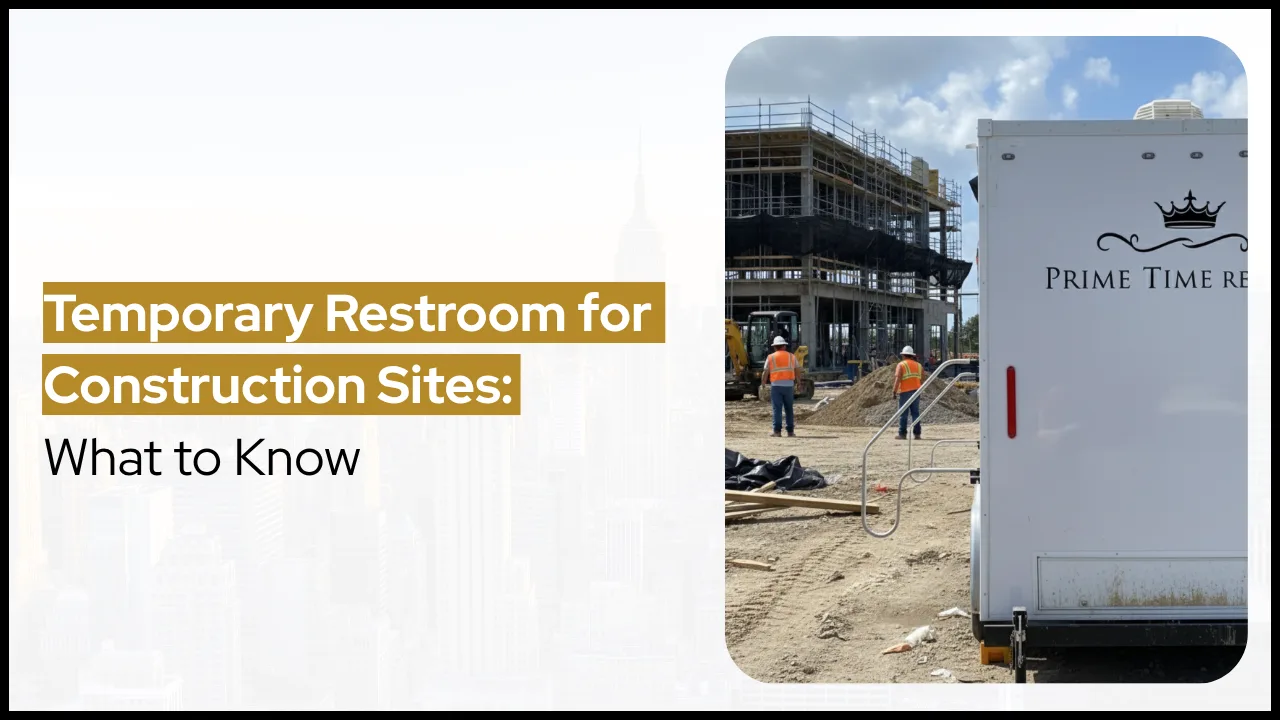
A temporary restroom for construction sites gives workers a clean, private place to use the restroom without leaving the jobsite. The right setup depends on crew size, project duration, site access, terrain, and local rules. For most active builds, portable units or trailers provide practical sanitation throughout the workday from the start.
Why do construction sites need restrooms?
A construction site restroom keeps workers from leaving the property for basic needs. It saves break time, supports hygiene, and gives crews dependable sanitation throughout the workday.
A small home build may need one unit, while a commercial project may require several units or a trailer. Facilities should be easy to reach and placed away from busy equipment areas. The key is choosing enough capacity for the crew without making the setup unnecessarily complicated.
How many restrooms does a jobsite need?
The number of restrooms depends primarily on the number of workers, with OSHA providing minimum sanitation requirements for construction sites.
OSHA emphasizes that facilities must be readily available. It requires at least one toilet for 20 or fewer workers, with higher minimums as the workforce grows. Local requirements may add other conditions.
Which restroom option fits the project?
The best choice depends on the site. Temporary restroom trailers are useful when a project needs several private spaces together. Standard units suit straightforward projects, while trailers help when workers need more privacy or amenities.
|
Project situation
|
Practical option
|
Main advantage
|
|---|---|---|
|
Small residential build
|
Standard portable unit
|
Simple and economical
|
|
Medium crew
|
Multiple portable units
|
Adds capacity quickly
|
|
Long commercial project
|
Restroom trailer
|
More privacy and amenities
|
|
Large workforce
|
Units plus trailer
|
Better crowd management
|
|
Tight site access
|
Compact portable units
|
Easier placement
|
Temporary restroom trailers can include several stalls, sinks, mirrors, and lighting in one facility. They are useful when a project will run for months.
What should you check before renting?
A temporary restroom rental should include more than delivery. Compare temporary restroom rental options by service coverage, not just price. Ask about cleaning, pumping, restocking, maintenance, and emergency service before signing.
Placement matters too. Workers should not have to cross muddy paths, equipment zones, restricted areas, or other hazards.
For many sites, temporary portable restrooms are practical because they can be delivered quickly and moved as construction changes. Ask about accessible units before delivery if needed.
Which features matter most?
Cleanliness, ventilation, privacy, lighting, toilet paper, handwashing access, and reliable servicing matter most. The facility should remain usable throughout a busy shift.
A good construction restroom needs a clear maintenance plan. If service timing is unclear, keep looking.
When are restroom trailers worth the cost?
Temporary restroom trailers suit long-term builds, large developments, commercial sites, and projects where comfort, privacy, capacity, or appearance matters.
A trailer offers a more familiar indoor-style experience. Portable restroom trailers for construction keep several stalls in one controlled area, which can make months-long projects feel more organized.
For larger builds, a trailer can simplify the layout by grouping several facilities instead of scattering units around the property.
What does regular servicing include?
Servicing covers waste removal, cleaning, deodorizing, restocking, and damage checks. Frequency depends on usage, weather, workforce size, and site conditions.
A unit used by ten people has different needs from one shared by dozens. A provider should recommend service frequency based on actual demand.
OSHA also requires construction toilets to remain sanitary, making servicing part of the jobsite plan.
How should you manage restrooms once they arrive?
- Keep the area clear: Make sure workers can enter and exit without equipment, materials, or debris blocking the way.
- Watch daily usage: Notice when lines start forming, or facilities are being used more heavily than expected.
- Check supplies: Keep toilet paper, soap, and other essentials available so workers aren’t left without them.
- Spot cleanliness issues: Report unpleasant odors, spills, damage, or other problems before they become bigger concerns.
- Stay ahead of servicing: Don’t wait until a unit is noticeably full or dirty. Regular service keeps it comfortable for everyone.
- Respond to changes: If the crew grows or the work area shifts, the restroom setup may need a quick adjustment.
- Keep workers informed: Make sure everyone knows where the facilities are and who to contact if something needs attention.
What mistakes should you avoid?
Ordering too few facilities creates frustration. Long lines waste break time, while heavily used units become unpleasant faster.
Another mistake is choosing a location only for delivery convenience. Facilities must work for workers and stay clear of hazards.
Avoid vague rental agreements. Confirm service visits, supplies, cleaning expectations, delivery terms, and how to add another unit if needed.
What should you know before choosing a rental?
Before looking at temporary restrooms for rent, have four details ready: worker count, project duration, delivery access, and service frequency. Having this information makes it easier to compare providers and get an accurate quote.
A flexible rental arrangement can help when the workforce changes. You may need fewer units early in the project and additional facilities when several trades are working on-site. Ask whether the rental can be adjusted as your needs change.
For changing layouts, restroom placement should be reviewed between construction phases. A unit that works well near the foundation may become inconvenient during framing, so facilities should be repositioned as the work area develops.
Could better sanitation make your jobsite easier?
A construction project has enough moving parts without restroom service becoming another headache. Prime Time Restrooms can help you find the right temporary restroom for construction sites based on your workforce, site, and schedule. Why not make sanitation one less thing to worry about?
FAQs
Yes. They are useful when a home under construction lacks working plumbing. The number and type should match the crew and local requirements.
There is no universal schedule. Usage, temperature, workforce size, and site conditions affect servicing, so the provider should base frequency on demand.
Not necessarily. Trailers provide more space and amenities, while individual units are simpler and often cheaper. The choice depends on project size, duration, budget, and site conditions.
Yes. Providers can often relocate units as the site changes. Coordinate moves around delivery access, worker safety, equipment traffic, and servicing.
Handwashing is an important part of jobsite sanitation. Requirements vary, but placing facilities near toilets supports good hygiene.
It should be close enough for workers to reach promptly without crossing unsafe areas. OSHA emphasizes that facilities must be readily available.
Keep Your Construction Site Equipped with Reliable Temporary Restroom Rentals!
Reliable temporary restrooms for construction sites, providing comfort and convenience for workers.