
Emergency Restroom Trailer: A Guide for Urgent Situations
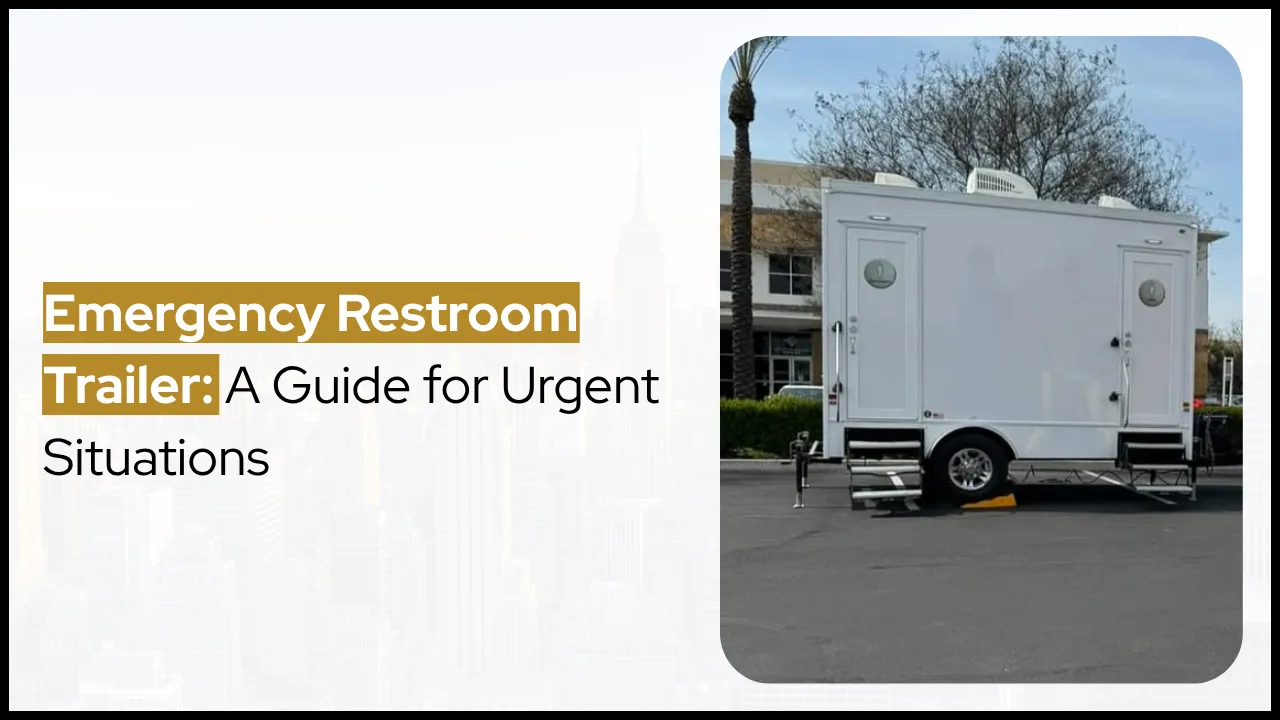
An emergency restroom trailer provides temporary sanitation when permanent restrooms are damaged, unavailable, or unable to handle demand. It can support disaster response sites, temporary shelters, recovery projects, construction emergencies, and other urgent situations. The right setup depends on the number of users, expected rental period, site access, accessibility, utilities, and servicing requirements.
When do you need an emergency restroom trailer?
An emergency restroom trailer is useful when a building loses access to its normal bathrooms or when a temporary site suddenly needs additional sanitation capacity. The right setup depends on how many people need it, how long the situation may last, and what facilities are already available.
A restroom emergency can happen for plenty of reasons: storm damage, plumbing failures, unexpected building closures, or a sudden increase in people at a temporary location. Having a mobile option means sanitation doesn’t have to become another problem during an already stressful situation.
For shelters and response locations, accessibility should be considered from the beginning. Temporary facilities should be easy to reach and usable by people with different mobility needs, rather than being treated as an afterthought.
What makes emergency restroom trailers useful?
The biggest advantage is flexibility. Emergency portable restrooms can be brought to locations where permanent plumbing is unavailable or temporarily unusable, giving organizers a workable facility without major construction.
Unlike a basic standalone unit, a trailer can provide a more structured restroom environment. Depending on the model, it may include multiple stalls, sinks, lighting, climate control, mirrors, and other features that make longer use more comfortable.
This matters when people may need the facilities for several days rather than a few hours. During a restroom emergency, comfort is valuable, but reliable access and proper servicing matter even more.
How can an emergency restroom trailer rental support a temporary shelter?
An emergency restroom rental can give temporary shelters a more organized sanitation setup when homes, community buildings, or other facilities cannot be used normally. It provides a dedicated space for essential restroom needs while recovery teams focus on restoring the main site.
For shelters serving people for several days, features such as interior lighting, sinks, multiple stalls, and comfortable access can make the temporary environment feel more manageable.
The setup can also be adjusted as the situation changes. If the number of occupants grows or the shelter operates longer than expected, additional facilities may be considered.
Which option fits different emergencies?
Situation |
Suitable setup |
Main consideration |
|---|---|---|
Small temporary site
|
Basic portable units
|
Quick deployment
|
Community response
|
Multi-stall trailer
|
Higher capacity
|
Damaged building
|
Restroom trailer
|
Temporary replacement
|
Large emergency site
|
High-capacity units
|
Frequent servicing
|
Sites needing bathing
|
Combined facilities
|
Water and drainage needs
|
Emergency sanitation should include more than toilets alone. The CDC recommends considering sanitation facilities, handwashing, operation and maintenance, and proper waste management as part of an emergency response.
When arranging an emergency restroom trailer, confirm that handwashing supplies, cleaning, waste removal, and ongoing servicing are included or properly planned.
How should you choose the right emergency setup?
Start with expected usage rather than choosing a trailer simply because it is available. A small crew and a temporary shelter with hundreds of occupants have completely different requirements.
For busy locations, high-capacity emergency portable restrooms may be more appropriate because they can accommodate heavier demand. The servicing plan becomes especially important when usage is continuous.
If people also need bathing facilities, emergency shower and restroom rentals may make more sense than arranging separate solutions. This can simplify the site layout and make the response easier to coordinate.
What should you check before delivery?
Access: Make sure the delivery vehicle can reach the intended location without obstacles.
Ground conditions: Choose a stable area that can safely support the trailer and allow convenient entry.
Utilities: Confirm requirements for water, electricity, drainage, or other connections before installation.
Capacity: Estimate the number of users and expected duration rather than guessing.
Servicing: Ask how cleaning, waste removal, supplies, and maintenance will be handled throughout the rental.
How can you arrange an emergency restroom quickly?
Assess the situation: Determine why the existing facilities are unavailable and how long temporary facilities may be needed.
Estimate demand: Consider workers, residents, guests, responders, or visitors who will use the facilities.
Choose the format: Compare emergency restroom options based on capacity, features, accessibility, and available site space.
Confirm the location: Check delivery access, surface conditions, placement, and any local requirements before scheduling.
Arrange servicing: Establish cleaning and waste-removal requirements before the unit arrives.
Confirm delivery details: Make sure the provider knows the site contact, access instructions, expected arrival window, and installation requirements.
What should you know about emergency restroom rentals?
An emergency restroom rental should be treated as an operational service, not simply a piece of equipment dropped at the site. The provider should understand your expected usage and explain how servicing will work throughout the rental.
For longer emergencies, ask what happens if the situation extends beyond the original rental period. Flexible arrangements can prevent another scramble when repairs or recovery work takes longer than expected.
An emergency restroom trailer rental can also be useful for organizations that need a temporary solution while permanent facilities are being repaired. It keeps restroom access available without committing to permanent construction.
How Should You Manage an Emergency Restroom Setup?
Good placement can make a surprisingly large difference. Keep the restroom area accessible, visible enough for people to find, and separated from vehicle movement or hazardous work zones.
Handwashing should also be considered alongside the restroom itself. During emergencies, sanitation works best as a complete setup rather than a toilet-only arrangement.
For larger sites, high-capacity emergency portable restrooms should have a clear servicing plan. Frequent use can quickly increase the need for cleaning, supplies, and waste removal.
What should you ask before booking?
How quickly can it be delivered? Ask about availability and realistic delivery times rather than assuming every unit can be dispatched immediately.
What servicing is included? Clarify cleaning, pumping, restocking, and emergency maintenance arrangements.
Can accessibility be accommodated? Discuss accessible units and placement requirements before delivery.
Can the rental be extended? Emergencies rarely follow a perfect schedule, so flexibility can be important.
Could Prime Time Restrooms Help You Respond Faster?
When a restroom emergency happens, you don’t have much room for complicated planning. Prime Time Restrooms can help you explore practical temporary restroom options based on your site’s capacity, timeline, and access requirements. The goal is simple: get dependable sanitation in place when people need it most.
FAQs
Delivery depends on current availability, location, site access, and the type of restroom required. Contact the rental provider as soon as possible, explain the urgency, and provide the site address and required delivery window so they can confirm what is realistically available.
Yes, larger trailers and multiple units can support higher usage. The right quantity depends on the number of people, event duration, and servicing schedule.
They can be useful where permanent sanitation facilities are damaged or unavailable. Site access, utilities, accessibility, and waste servicing should be assessed first.
Some providers offer combined restroom and shower facilities. These can be useful for recovery sites, temporary accommodations, and situations where bathing access has also been disrupted.
Rental periods vary by provider and situation. Many temporary facilities can be arranged for short emergencies or extended when recovery work takes longer.
Need an Emergency Restroom Trailer? Get Fast and Reliable Solutions When You Need Them Most
Learn how emergency restroom trailers can provide a convenient and dependable solution for urgent events and unexpected situations.